Ivermectin for Scabies: What Doctors Prescribe and Why
By IvermectinForSale Editorial Team ·
Oral ivermectin is not FDA-approved for scabies, but CDC treatment guidance lists it as an option doctors may prescribe. A prescription cream, most often permethrin, is a common first choice, and doctors tend to consider oral ivermectin when a cream isn't practical, hasn't worked, or the infection is severe. Which one fits you is a decision for a clinician who has looked at your skin.
Below is what scabies is, how doctors weigh cream against tablets, who shouldn't take oral ivermectin, and how to deal with the rest of the household.
What is scabies?
Scabies is a skin infestation caused by a tiny mite that burrows into the top layer of skin and lays eggs. The body's reaction to the mites and their waste causes the main symptoms:
- intense itching, often worse at night
- a pimple-like rash, sometimes with small blisters or scales
- thin, wavy lines on the skin where mites have burrowed
- sores from scratching, which can become infected
It spreads mainly through prolonged skin-to-skin contact, the kind that happens between partners, within families, or in nursing homes and child care settings. A quick handshake rarely passes it on. Anyone can get scabies. It isn't a sign of poor hygiene.
One frustrating detail: the first time someone is infested, symptoms can take several weeks to appear, according to the CDC. During that time they can still pass the mites to others. People who've had scabies before usually notice symptoms much sooner.
There's also a severe form called crusted (or Norwegian) scabies. It mostly affects older adults and people with weakened immune systems, produces thick crusts packed with mites, and spreads very easily. Crusted scabies needs prompt medical care.
Cream or tablets: how do doctors choose?
Doctors start with a diagnosis. Scabies can look like eczema, bites or other rashes, so a clinician may examine the burrows or take a skin scraping before treating. Using the wrong treatment for the wrong rash delays the right one.
After that, the choice usually comes down to a few practical questions.
| Factor | Topical cream or lotion | Oral ivermectin | |---|---|---| | FDA approval for scabies | Several products, including permethrin cream, are approved | Not approved for scabies; prescribed off-label | | How it's used | Applied to the skin, following the product's directions | Swallowed as tablets, as directed by the prescriber | | Practical issues | Needs careful application over large areas of skin | Easier for people who can't apply cream well, or in group settings | | Pregnancy and young children | Some topical options are used; ask your doctor | Generally not used without specific medical advice | | Crusted scabies | Usually part of the plan | Often combined with a topical treatment, per CDC guidance |
A few situations tend to push a doctor toward tablets: a topical treatment that didn't clear the infestation, widespread skin damage that makes cream hard to use, an outbreak in a nursing home or shelter where treating many people at once is easier by mouth, or crusted scabies. In other situations a cream is the simpler, approved choice.
"Off-label" means the prescriber is using an approved drug for a use that isn't on its US label, based on clinical guidance and their own judgment. It's legal and common in medicine. It also means the dose and any repeat dose come from your prescriber, not from the label. Our guide to how your ivermectin dose is decided explains why we never publish dosing.
Who shouldn't take oral ivermectin for scabies?
Oral ivermectin isn't the right choice for everyone. Tell your clinician if any of these apply:
- Pregnancy or breastfeeding. The label advises talking to a doctor first, and topical options are usually preferred.
- Small children. Safety hasn't been established below a certain body weight. A pediatrician should decide.
- Liver disease or other serious long-term conditions.
- Other medicines, especially blood thinners such as warfarin.
- Travel or residence in parts of Central or West Africa, where a parasite called Loa loa is found. Heavy Loa loa infection can lead to serious reactions after ivermectin.
- Past allergic reactions to ivermectin.
Common side effects listed on the label and by MedlinePlus include dizziness, itching, nausea and diarrhea. With scabies in particular, itching can flare for a while after treatment as the skin reacts to dead mites. That doesn't always mean treatment failed, but tell your doctor if it isn't settling. Our side effects and interactions guide has more detail.
How do you treat the household and bedding?
Treating one person while their partner or children still carry mites is a common reason scabies comes back. The CDC's scabies guidance makes these points:
- Treat close contacts at the same time. That usually means household members and sexual partners, even if they have no symptoms yet. Each person needs their own assessment and prescription.
- Wash what was in contact with skin. Bedding, clothing and towels used in the few days before treatment should be machine-washed in hot water and dried on a hot cycle, or dry-cleaned.
- Bag what can't be washed. Items that can't go in the washer can be sealed in a plastic bag for several days, since mites don't survive long away from human skin.
- Vacuum. Run the vacuum over furniture and carpets the person used.
You don't need to fumigate your home or treat pets. Animal mites cause a different, short-lived condition and don't sustain human scabies.
When should you see a doctor?
See a doctor or urgent care clinic if:
- you think you have scabies and haven't been diagnosed
- someone in your home has been diagnosed and you start itching
- the rash is spreading, crusting, or showing signs of infection such as warmth, swelling or pus
- itching hasn't eased a few weeks after treatment, or new burrows appear
- the person affected is a baby, is pregnant, or has a weakened immune system
MedlinePlus has a plain-language scabies overview if you want to read more before your visit.
Can you order ivermectin for scabies?
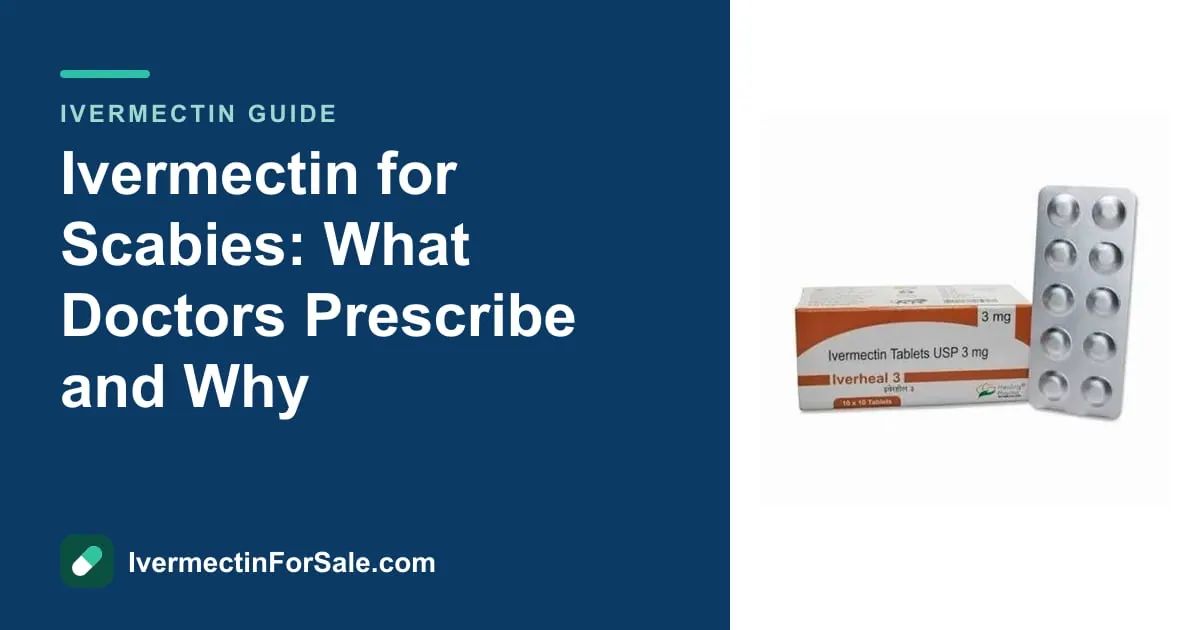
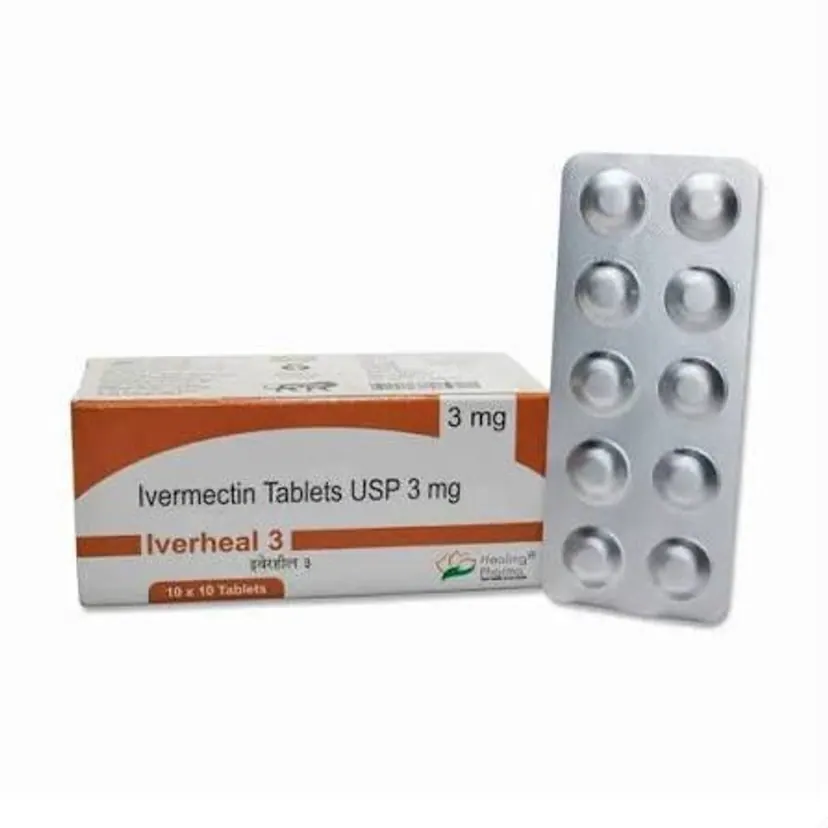
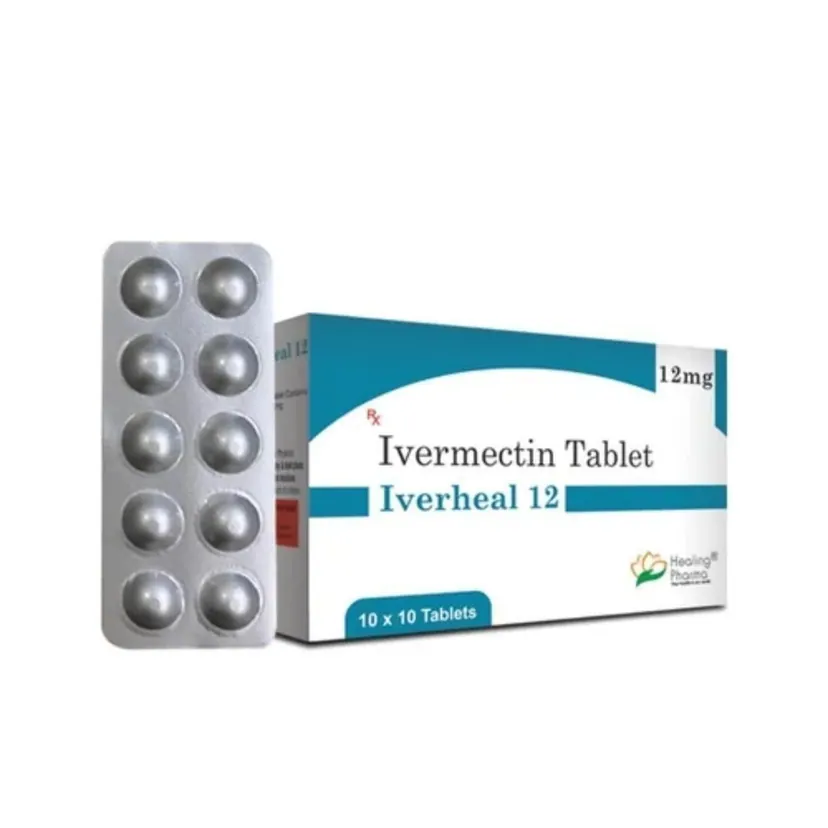
Oral ivermectin is a prescription medicine under federal law. If your doctor prescribes it for scabies, you can fill that prescription at a pharmacy. We sell Iverheal, ivermectin tablets made in India by Healing Pharma, in 3mg, 6mg, 12mg and 24mg strengths. Iverheal is not FDA-approved in the US, and every order needs a valid prescription. A pharmacist reviews each one before your card is charged.
A handful of states have passed laws that let pharmacists dispense ivermectin without an individual prescription. Our state-by-state guide lists them, and the ivermectin OTC guide explains what those laws actually allow. They cover FDA-approved ivermectin dispensed by in-state pharmacies. They don't change our rule: every Iverheal order needs a prescription. Even in those states, the pharmacist reviews your health questionnaire and decides whether dispensing is appropriate. For a suspected skin infestation that hasn't been diagnosed, the pharmacist may well tell you to see a doctor first, and that's the right call. Scabies is easy to mistake for other rashes, and the household needs treating too.
How to get ivermectin walks through the steps, and our article on ivermectin's FDA-approved uses explains where scabies sits relative to the label.
Questions about shipping, payment or prescriptions are answered in our FAQ.
Sources
- CDC: Scabies, Centers for Disease Control and Prevention
- MedlinePlus: Scabies, US National Library of Medicine
- MedlinePlus: Ivermectin, US National Library of Medicine
Frequently asked questions
Is ivermectin FDA-approved for scabies?+
Oral ivermectin is not FDA-approved for scabies. CDC treatment guidance lists it as an option, so doctors may prescribe it off-label. Several topical products, including permethrin cream, are FDA-approved for scabies.
Is oral ivermectin better than permethrin cream for scabies?+
Neither is right for everyone. Cream is a common first choice; doctors tend to consider tablets when cream is impractical, hasn't worked, or the infestation is crusted or part of an outbreak. Your clinician will weigh your situation.
Do family members need treatment too?+
The CDC advises treating household members and sexual partners at the same time, even without symptoms, and washing bedding, clothing and towels used in the days before treatment.
Why am I still itching after scabies treatment?+
Itching can continue for a while as the skin reacts to dead mites. If it doesn't ease after a few weeks, or new burrows appear, go back to your doctor.
Can I buy ivermectin for scabies without a prescription?+
Federally, oral ivermectin needs a prescription. A few states let pharmacists dispense it without one, but the pharmacist decides case by case and may refer you to a doctor for an undiagnosed rash. Our own Iverheal orders always need a prescription.
This article is general information, not medical advice. Oral ivermectin is a prescription medicine under US federal law, and only some states let pharmacists dispense it without an individual prescription. Talk to your doctor or pharmacist before using it.
- Ivermectin
- Scabies
- Prescription
- Skin