How Your Ivermectin Dose Is Decided, and by Whom
By IvermectinForSale Editorial Team ·
There is no single ivermectin dose that fits everyone. The FDA label for oral ivermectin ties the amount to a person's body weight and to the infection being treated, so the right dose is worked out one person at a time. Only your prescriber, or in some states a pharmacist, should set it, and you should follow the label and their directions exactly.
That answer frustrates people who want a number. This guide explains why we won't print one, what goes into the decision, and what you can do to make sure the person setting your dose has the full picture.
Why isn't there a standard ivermectin dose?
Most people are used to medicines with one adult dose: two tablets of a pain reliever, one allergy pill a day. Oral ivermectin doesn't work that way. The prescribing information approved by the FDA describes the dose as an amount per unit of body weight, and it gives different instructions for different infections.
So two adults with the same prescription label can end up taking a different number of tablets. That isn't an error. It's how the drug was studied and approved.
It's also why we don't publish dose charts, tablet counts or "per kilogram" math on this site. A number pulled from a web page, without your weight, your diagnosis and your medical history, is a guess. Guessing is how people end up with too much or too little.
Why does body weight matter?
Ivermectin's dose is scaled to weight because the amount of drug that reaches the blood and tissues depends partly on body size. A dose that's appropriate for a larger adult could be too much for a smaller one.
Your prescriber or pharmacist does the calculation. Your job is simpler: give them an accurate, current weight. Not the number from your driver's license, and not a guess. If you've lost or gained weight recently, say so.
A few points that often come up:
- Children. The label says safety hasn't been established in small children below a certain body weight. A pediatrician should make that call, not a parent working from an adult label.
- Older adults. The label notes that older patients may be more likely to have reduced liver, kidney or heart function, or to take other medicines. That can shape the decision too.
- Rounding. Because tablets come in fixed strengths, the prescriber or pharmacist decides how to round to whole tablets. That judgment belongs to them.
Why does the condition being treated matter?
Oral ivermectin is FDA-approved for two parasitic infections: strongyloidiasis of the intestinal tract and onchocerciasis (river blindness). The label treats them differently, including how often a dose may be repeated and what follow-up testing is needed.
Doctors also prescribe ivermectin off-label for some other parasitic conditions, such as scabies. Off-label use is legal and common in medicine, but it means the prescriber is working from clinical guidance, not from a dose printed on the US label. Our article on what ivermectin is FDA-approved for covers the approved uses, and the scabies guide explains how doctors approach that infection.
Why do ivermectin tablets come in 3mg?
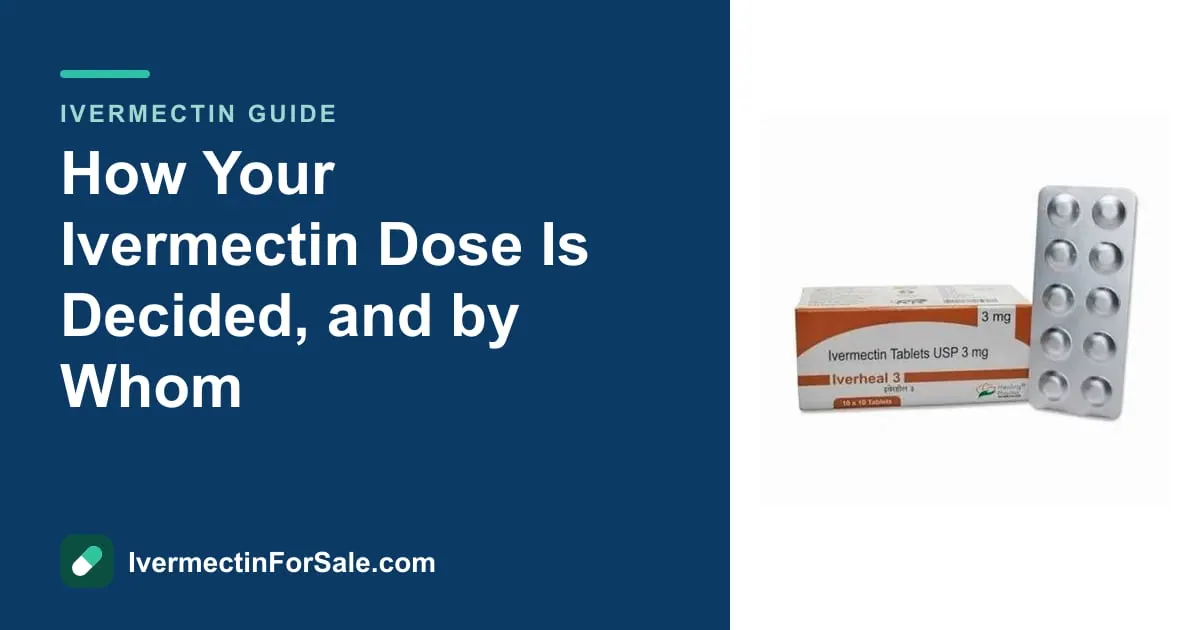
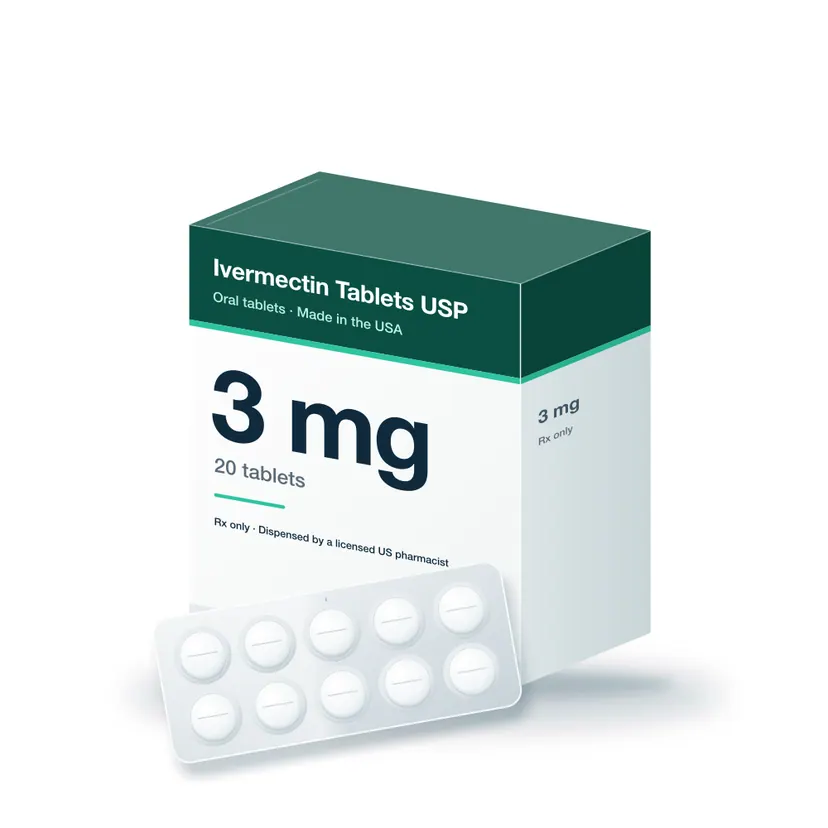
The FDA-approved oral tablets sold in the US, brand-name Stromectol and its generics, come in a 3mg strength. A weight-based dose is then built from whole 3mg tablets, which is why the number of tablets varies from person to person.
Higher strengths exist too. Some makers outside the US, such as Healing Pharma in India, produce 6mg, 12mg and 24mg ivermectin tablets under the Iverheal name. These aren't FDA-approved products, and we supply them only against a valid prescription in every state. Our comparison of 3mg, 6mg and 12mg ivermectin explains the difference, and the Iverheal 6 page shows how prescription orders work.
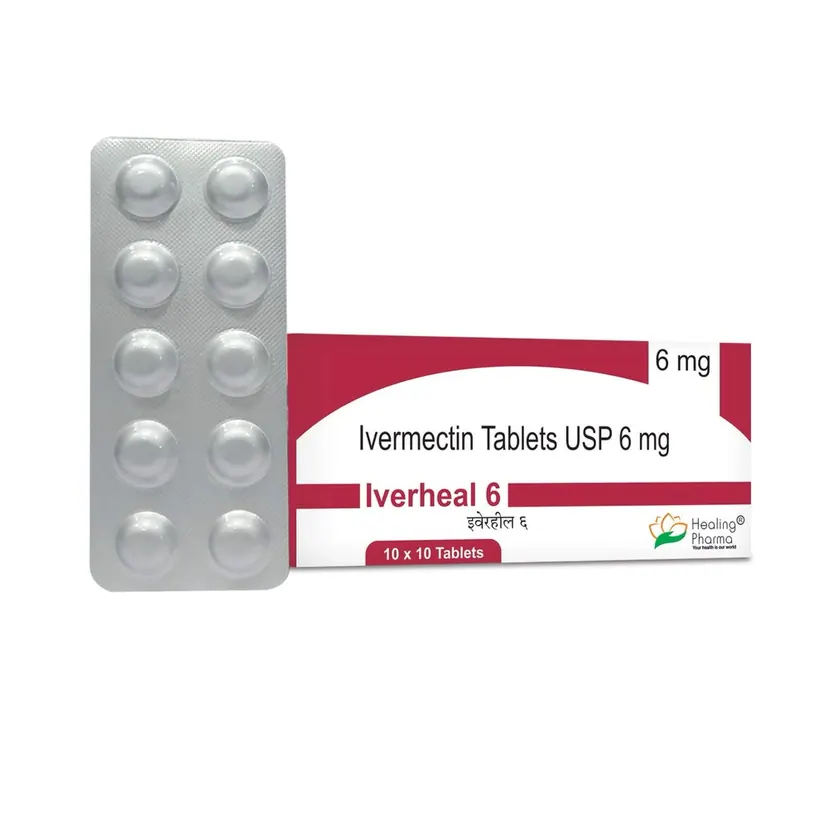
The strength printed on the box tells you how much drug is in each unit. It doesn't tell you how many units you need.
What should you tell your pharmacist or prescriber?
The more complete your answers, the better the decision. Before anyone sets your dose, expect to be asked about the following, and volunteer it if they don't ask.
| What to share | Why it matters | |---|---| | Your current weight | The dose is calculated from it | | Why you want ivermectin and any diagnosis you have | The approved uses carry different instructions | | Every medicine you take, including supplements | Some, such as warfarin, may interact | | Pregnancy, plans to get pregnant, or breastfeeding | The label advises talking to your doctor first | | Liver disease or other long-term conditions | These can affect how the drug is handled | | Past reactions to ivermectin or other medicines | Allergy history changes the risk | | Recent travel to parts of Africa | Some parasitic infections there call for extra caution |
That last point matters more than it looks. The label warns that people heavily infected with a parasite called Loa loa, found in parts of Central and West Africa, can have serious reactions. A prescriber will want to know where you've lived and traveled.
If you're unsure whether something is relevant, mention it anyway. Our side effects and interactions guide lists the reactions and drug combinations the label flags.
Why are online "dose calculators" dangerous?
Search for ivermectin dosing and you'll find calculators, forum posts and charts that convert a horse or cattle product into a "human dose." Please don't use them.
Animal products are made for animals that can weigh well over half a ton. The concentration is far higher, the inactive ingredients are different, and there's no reliable way to measure a safe fraction of a paste tube or pour-on bottle at home. Poison control centers have handled many calls from people who tried. Our article on why you shouldn't take veterinary ivermectin covers the specific risks.
Even a calculator built around the human tablet is a problem. It can only use the numbers you type in. It can't check your other medicines, ask about pregnancy, or notice that your symptoms point to something other than a parasite. The FDA's BeSafeRx program is a good starting point for checking whether an online seller is a real, licensed pharmacy.
If you or someone else has taken an animal ivermectin product, call Poison Control at 1-800-222-1222. For seizures, fainting or trouble breathing, call 911.
Who sets the dose when you order from us?
We sell Iverheal ivermectin tablets in 3mg, 6mg, 12mg and 24mg strengths. Iverheal is not FDA-approved, so every order needs a valid prescription from a licensed US prescriber, in every state. Your prescriber sets the dose, and a pharmacist reviews the order and your health questionnaire before anything ships.
A handful of states have laws that let in-state pharmacists dispense FDA-approved ivermectin without an individual prescription. Our state-by-state guide lists them, and the ivermectin OTC guide explains what those laws allow. They don't cover Iverheal, so they don't change how ordering from us works. If you don't have a prescription yet, how to get ivermectin walks through your options.
The pharmacist can contact you with questions, ask you to see a doctor first, or decline the order. Your card is charged only after approval. The label on the bottle you receive will carry the directions written for you. Follow those, not anything you read online, this article included.
Where can you read the official label?
You don't have to take anyone's word for what the label says. Three free places to look:
- MedlinePlus, from the National Library of Medicine, has a plain-language ivermectin drug page covering how it's used, precautions and side effects.
- Drugs@FDA lets you look up the approval history and labeling for Stromectol and its generics. Search for ivermectin on the Drugs@FDA database.
- DailyMed, also run by the National Library of Medicine, publishes the current package insert for each manufacturer's product. Search it by drug name.
Reading the label is a good way to understand your treatment and prepare questions. It isn't a substitute for the dose your prescriber or pharmacist sets. If anything on your bottle doesn't match what you were told, call the pharmacy before you take it.
Still have questions about ordering, shipping or prescriptions? Our FAQ covers the common ones.
Sources
- MedlinePlus: Ivermectin, US National Library of Medicine
- Drugs@FDA: FDA-approved drug products, US Food and Drug Administration
- FDA: BeSafeRx, your source for online pharmacy information
Frequently asked questions
What is the normal dose of ivermectin for an adult?+
There isn't one standard adult dose. The FDA label bases the amount on body weight and the infection being treated, so your prescriber works it out for you. Follow the directions on your label.
Why won't you publish an ivermectin dosage chart?+
A chart can't account for your weight, diagnosis, other medicines or health history. Those are the things a prescriber or pharmacist checks before setting a dose, and getting them wrong can mean taking too much or too little.
Can I work out my own dose from a horse or cattle product?+
No. Animal products are far more concentrated and contain ingredients not tested in people. If someone has taken one, call Poison Control at 1-800-222-1222, or 911 for severe symptoms.
What should I tell the pharmacist before taking ivermectin?+
Your current weight, why you want it and any diagnosis, every medicine and supplement you take, pregnancy or breastfeeding, liver disease, past drug reactions, and any time spent in Central or West Africa.
Where can I read the official ivermectin label?+
MedlinePlus has a plain-language drug page, Drugs@FDA lists approval and labeling records, and DailyMed publishes each manufacturer's current package insert.
This article is general information, not medical advice. Oral ivermectin is a prescription medicine under US federal law, and only some states let pharmacists dispense it without an individual prescription. Talk to your doctor or pharmacist before using it.
- Ivermectin
- Dosage
- Safety
- Pharmacist